
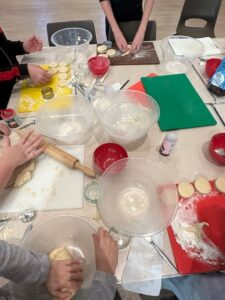
 At St. Paul’s Church in Warwick, ministry is about more than just Sunday services—it’s about building relationships, meeting needs, and creating spaces where young people can thrive. Over the years, the church has developed a strong foundation of outreach, partnering with Thrive Youth Ministries to engage children and young people in meaningful ways.
They started with a Lego Club for primary school children, helping them connect through creativity and play. Then, as children approached their transition to secondary school, St. Paul’s introduced “It’s Your Move” workshops in two local primary schools, equipping Year 6 students with confidence for the next stage of their journey. Alongside these initiatives, the church also had a thriving food ministry, providing food hampers and “Make Lunch” meals for families in need during school holidays.
But one challenge became clear: what about the young people who had outgrown these programmes?
A Plan Comes Together
Recognising this gap, the church’s coordinating group—guided by the 3 R’s in ‘Thrive’s Manifesto for 21st Century Youthwork’ initiative (Review, Recce, Receive)—began exploring what a new ministry for these young people could look like. They wanted something that would build on existing relationships, reflect the church’s strengths, and create a sense of belonging for young people.
The answer? Grub Club—a short-term initiative that brought together food, faith, and friendship.
The concept was simple:
✅ Gather together
✅ Cook a meal
✅ Share stories and explore faith
To give the project a sense of purpose, they planned for a grand finale event at the end of the term—an afternoon cream tea, designed and prepared by the young people themselves.
Cooking Up Community
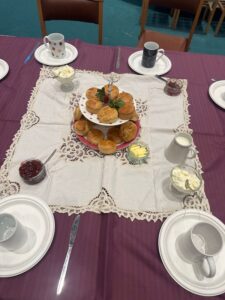 For the next seven weeks, the young people met at church, learning new recipes—everything from homemade sausage rolls to an inventive chocolate scone recipe. But beyond the cooking, something deeper was happening.
“They were fabulous young people, and we wanted to provide a place of belonging, identity, and purpose. All three of these values were met as we cooked together, played games, and shared conversations.”
– Caroline Mara, West Warwick Project Team Leader
The beauty of Grub Club wasn’t just in the meals—it was in the connections being formed. And because it was a short-term project, more people from the church felt able to volunteer. Even those who wouldn’t typically see themselves as “youth leaders” found a role—whether it was helping with cooking, offering encouragement, or simply being present.
What’s Next?
After the success of Grub Club, St. Paul’s has continued looking for creative, short-term projects to engage young people. Their latest initiative is to provide music tuition, leading up to a special performance at their upcoming “Love Sunday” informal worship service.
This flexible approach has proven to be a game-changer for St. Paul’s. By focusing on relationships over programs, they’ve built a model that adapts to the needs of their young people while making it easier for volunteers to get involved.
At the end of the day, it’s not about what activity a church chooses—it’s about why. Whether it’s cooking, music, sport, dance, or art, the goal remains the same: creating spaces where young people feel valued, supported, and part of something bigger.
Grub Club was never just about food. It was about feeding faith, friendships, and a future where young people know they belong.